Philippians 1:27–30
At SpeeDee Oil Change, our technicians receive a shirt that says “Performance Certified” after they complete their training. The shirt tells the customer something: this person has been trained to do the work you are trusting us to do.
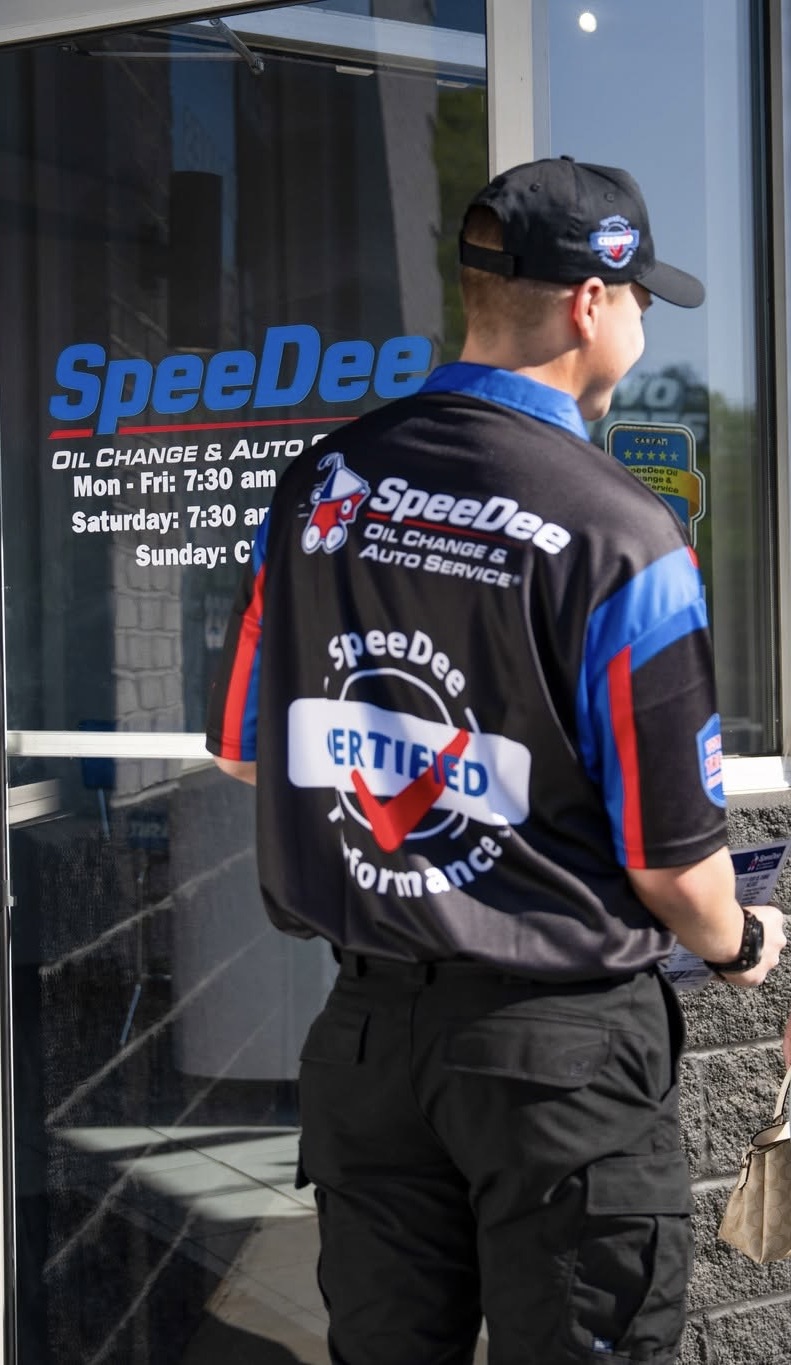
But the customer has a right to expect something beyond the shirt. He expects the right oil in the engine. He expects us to check what we say we will check and take care of the vehicle he has entrusted to us. The shirt makes a statement. The work ought to support it. If the shirt says one thing while the service says something else, which one do you think the customer will believe?
That raises a question for those of us who wear the name Christian: Does our conduct match the name we wear?
We can attend worship, carry a Bible, and know the words to the songs. But people encounter our faith in the way we speak to them, treat our families, conduct our business, and respond when things don’t go our way. What are they learning about Jesus from their experience with us?
We Belong to Christ
In Philippians 1, Paul writes from prison. His future is uncertain, but his reason for living is clear: to live is Christ. Then, in verse 27, he turns from his circumstances to the congregation’s responsibility. Whatever happens to him, they are to live in a manner worthy of the Gospel of Christ.
In his letter, Paul uses the language of citizenship, and that language helps us understand that calling. We have earthly responsibilities, with work to do and neighbors to love. But we belong to Jesus Christ, and our highest allegiance belongs to Him. When those allegiances come into conflict, Christ has the final word.
Now listen, we don’t earn that belonging by passing a performance test. The SpeeDee illustration can only take us so far. We belong to Christ because of His grace. He receives us, forgives us, and makes us His own. Then His grace begins to shape the way we live. Living worthy of the Gospel means living in a way that fits the grace we have received.
But, if we belong to heaven, how do we live here? Paul’s answer reaches beyond private behavior to the life we share.
Stand Together
We tend to make faith a very private matter. My relationship with Jesus. My spiritual growth. My preferences in worship. Each of us does need to respond personally to Christ. Nobody else can make that response for us. But responding to Jesus brings us into a people. We become brothers and sisters with responsibilities toward one another and a mission to share.
Paul wants these believers standing firm together and striving together for the faith of the Gospel. Their unity has a purpose beyond making church a pleasant place to spend Sunday morning.
Imagine a congregation encircling the sanctuary, holding hands in prayer. It is a beautiful image. People who have carried burdens all week stand with people who care. Someone who has felt alone discovers that somebody else knows their name and is praying for them. We need that. There are Sundays when just getting to church is an act of faith.
But what happens if we always face inward? The only people we see are the people already inside the circle. Our needs. Our concerns. Our preferences. Our traditions. Before long, our life together can become organized around keeping everyone inside comfortable.
Now imagine that same circle turning outward. We still stand together. We still pray for one another and carry one another’s burdens. But now we see the lonely neighbor, the family under pressure, the person who has given up on church, and the coworker who has never heard us say anything about Jesus. Our hands remain joined in mission and ministry, but our eyes are open to the people God loves.
Jesus withdrew to pray, then returned to the people. Our fellowship should strengthen our witness. Sometimes we’ve become so concerned about the world getting into the church that we’ve forgotten to get the church into the world.
When we think about our congregation’s future, do we picture only what would make life easier for those already here? Or do we picture the people we have yet to meet and the lives God might touch through us? We don’t have to wait until every question about the future is settled to love the neighbor God has already put in front of us.
Stand Courageously
Following Jesus will sometimes put us at odds with the expectations of people around us. That is a sobering thought because most of us want to be faithful and well liked at the same time. We would like to obey Jesus without creating an uncomfortable moment at the dinner table, in the break room, or among our friends. Sometimes that is possible. Sometimes it isn’t.
Acceptance must never be the condition of our obedience. If it is, eventually we will find something Jesus asks of us that we are unwilling to do.
Fear doesn’t always introduce itself as fear. Sometimes it comes dressed in reasonable language:
“I’m just trying to keep the peace.”
“I’m waiting for the right moment.”
“I don’t want anybody to think I’m being judgmental.”
There are times when waiting is wise. Sometimes we need to listen longer, pray more, or choose a different setting. But here is a question worth bringing before the Holy Spirit: Where have we renamed our fear?
Am I keeping the peace, or avoiding something I know I need to address? Am I waiting for the right moment, or have I decided no moment will ever be right? Am I being gracious, or going along with something that dishonors Christ because I want to fit in?
Courage may mean refusing a dishonest practice, even when it costs us a sale. It may mean speaking up when a conversation turns cruel, even when the people laughing are our friends. It may mean telling someone why our faith matters. And sometimes courage means admitting we were wrong.
“What I did was sinful. I hurt you. I need to ask your forgiveness.”
We can become very bold about everybody else’s failures while remaining strangely quiet about our own.
Courage does not excuse carelessness in the way we treat people. Sometimes truth will offend, even when spoken with love. But somebody’s offense does not automatically prove our faithfulness. We may need to examine our words, our attitude, or our motives. Our aim is faithfulness to Jesus. We speak truthfully, act lovingly, and accept that obedience may still meet resistance. God holds the outcome. We don’t have to win every argument or secure everybody’s approval. Courage is remaining faithful when faithfulness becomes costly.
Stand Faithfully
Paul tells the Philippians they have been granted the privilege of believing in Christ and also of suffering for Him. We understand why forgiveness and eternal life would be described as gifts. But suffering? Most of us would prefer to leave that part of the package unopened.
Paul is speaking specifically about suffering for Christ. Not every hardship is persecution. Some difficulties belong to ordinary life. Some are consequences of our choices. Sometimes people react badly because we have treated them badly. But obedience can carry a cost. An honest decision may cost money. A faithful conviction may cost acceptance. Open allegiance to Christ may strain a relationship.
Difficulty does not mean we have stepped outside God’s care. Faithful discipleship doesn’t mean an easy journey. Jesus called us to take up our cross and follow Him. That does not make pain pleasant or injustice acceptable. We can seek protection, ask for help, and work to correct what is wrong. But when we suffer for His sake, we share in His witness to the world. The One we follow knows rejection and suffering. He will not abandon us. Neither should His people abandon one another.
We need somebody who will pray when our courage wears thin. We need somebody who will remind us of what is true when discouragement starts doing the talking. We need a congregation that will help carry the cost of obedience.
If someone loses income because they refused to be dishonest, our encouragement may need to include practical help. If someone is rejected because of their faith, our fellowship needs to make room for their grief. If someone is exhausted from doing what is right, we need to come alongside them. Standing faithfully is something we help one another do.
Living Like We Belong
Perhaps you already know what faithfulness requires. The uncertainty is about what it will cost. I can’t promise obedience will make the problem disappear. But the cost of faithfulness does not put you beyond the reach of Christ’s grace.
This week, think of one person outside your usual circle whom you could notice, listen to, or serve. Think of one place where fear has been choosing your response. Think of one step of obedience you have delayed because it may be costly.
Bring that person, that fear, or that decision before the Lord. And if you are worn down from trying to remain faithful, let somebody stand with you.
The SpeeDee Performance Certified shirt makes a statement. The service ought to match the shirt.
We belong to Jesus Christ. Our service ought to match the Name we wear. We should live like we belong.
Where is God inviting you to take one faithful step this week?
Until next time, keep looking up…

