Since Kobyn’s death, most mornings find me remembering him with a bottle of cologne. Our grandson sold cologne to work his way through college, and he once gave me a fragrance for my birthday. When I put it on in the morning, I think of him.
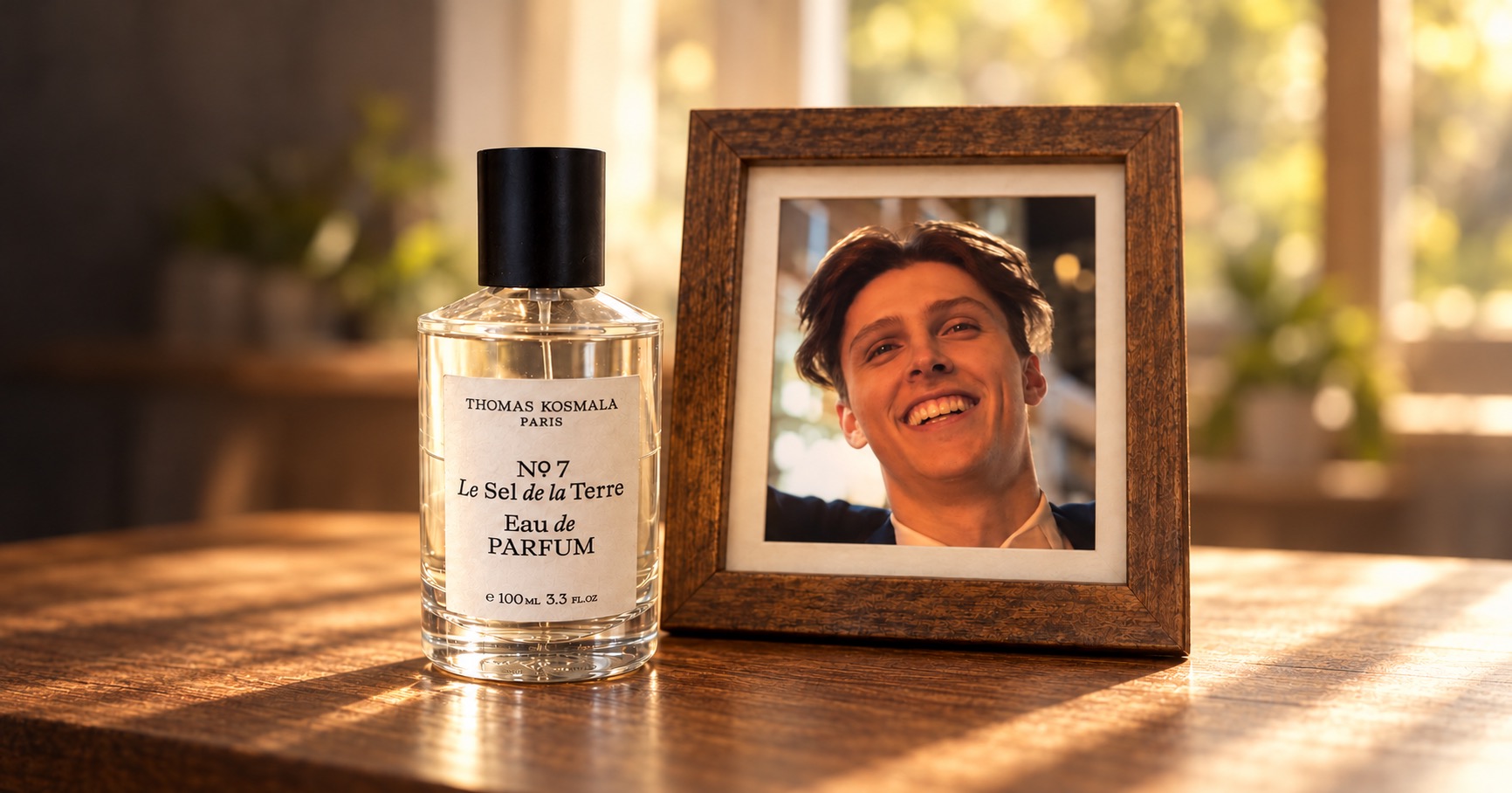
My morning routine includes me picking up the bottle of cologne, spraying it on and saying, “I love you, buddy, and I miss you. Wish I had been a better grandfather.” It’s that last sentence that gets me thinking.
The first two statements I know to be true. I love him. I miss him. But the third carries a judgment I’m not sure I’ve examined fairly. A better grandfather? Better than what?
Vanessa and I moved to Minden to be closer to our grandchildren. We wanted to participate in their lives. I try to attend their ball games and activities. I want them to know I love them. Still, I think about the things I haven’t done often enough. The fishing trips. The games we haven’t played. The conversations we haven’t had.
With Kobyn, those questions are especially painful. I wonder how things might have been different had I been more involved in his daily life. What if I had done something as simple as calling every day to say, “I love you, buddy”?
I wish I had made those calls. But wishing I had done something differently and knowing what difference it would have made are two different things. I can know the first. I cannot know the second. Grief doesn’t always know the difference.
Better Than What?
It doesn’t help that we carry around a pocket-sized collection of other people’s wonderful family moments. Open social media, and somebody is taking the grandchildren to Disney World. Another family is baking Christmas cookies in matching pajamas, while another grandfather appears to have made every ball game since the invention of baseball. Good for them. Really.
Those are good things, and the joy in those pictures may be entirely real. But I wonder what happens when I take the fishing trips from one family, the vacations from another, the traditions from a third, and combine them into my definition of a good grandfather. I’ve created a man who probably doesn’t exist. Then I feel guilty because I’m not him.
I can always find another picture to remind me of something I haven’t done. Meanwhile, I can overlook the relationship I actually have with a grandchild because I’m busy comparing it with the relationship I imagine someone else has. Seems a strange way to measure love.
Paul cautions against that kind of comparison in Galatians 6:4–5. He calls us to examine our own actions without comparing ourselves with someone else. That still leaves room for honest reflection about the grandfather I’ve been. But somebody else’s family pictures aren’t the standard by which I have to judge my love.
Yet comparison isn’t how I measure the love I have for my own grandparents.
The Grandfathers I Knew
Neither of my grandfathers would have fit that picture. Papaw Roberts was bedridden for many of the years I knew him. He didn’t come to ball games. He never took me hunting or fishing. During our teenage years, my brothers and I spent time helping him navigate life. That included some things that don’t make their way into sentimental social media posts about grandparents. You haven’t lived until you’re the one wiping your grandfather’s ass because he’s unable to wipe it himself.
Such was part of our life with him. There was nothing picturesque about it. He needed help, and we helped. When I remember Papaw Roberts, I don’t hold his inability to take me places against him. I loved him then and I still love him now. What do I remember most? His faith.
Paw Malone was always working. Six days a week, and he never thought another thing about it. It was his life. My joy was being with him at the store and working alongside him. We didn’t need to leave his daily life behind to have a relationship. I got to be part of it. He never took me hunting or fishing, never came to ball games, never sat down with me for card games or board games. Yet I don’t look back and think about how inadequate he was.
I loved him, too, and I still do. What do I remember most about him? His work ethic.
So why do I use the absence of those same activities as evidence against myself? Somehow, I can remember my grandparents with affection and an understanding of their circumstances, while remembering my own grandparenting with a running inventory of what I should have done better. That doesn’t seem quite fair. It certainly doesn’t seem like the whole truth.
Feelings Aren’t the Whole Story
I’m not trying to talk myself into believing every regret is misplaced. Time matters. Attention matters. Calls matter. We can fail people we love, and when there is something to acknowledge, apologize for, or change, we ought to do it. But there is a difference between acknowledging a missed opportunity and declaring an entire relationship a failure. There is also a difference between feeling guilty and being responsible for everything we wish had happened differently.
Our emotions are real. They deserve our attention. But they don’t know everything. My guilt can’t tell me with certainty how Kobyn experienced my love. It can’t tell me what a daily phone call would have changed. It can’t travel back through our lives and supply answers to every painful “what if.” It sure does like to keep asking the question, though.
And if I’m not careful, that question can make remembering Kobyn increasingly about evaluating me. Was I good enough? Did I do enough? How do I stop feeling this way? I don’t want my love for him to become only a trial of my own performance. His life was more than a measure of how well I did as his grandfather. Neither do I want to become so occupied with my feelings about yesterday that I fail to pay attention to the people in my life today.
The world doesn’t revolve around me or my emotions. My grandchildren have lives, joys, struggles, and needs of their own. They need me to be interested in those things, not constantly preoccupied with whether I deserve a passing grade. Maybe one needs a phone call. Maybe another needs someone to listen. Maybe there’s a ball game I can attend or an ordinary afternoon we can spend together. I can pay attention. I can ask. I can show up. And I can do those things because I love them, without asking them to relieve my guilt about the past.
What I Know Is True
Tomorrow morning, I’ll reach for the cologne again. I’ll remember Kobyn. I’ll love him. I’ll miss him. I’ll still wish I could pick up the phone and hear his voice. I will find myself saying, “Wish I had been a better grandfather.” I’m not going to pretend that writing about it makes the feeling disappear. But perhaps I can pause before accepting the verdict.
I can remember two grandfathers I loved deeply, whose lives with me looked very little like the pictures I sometimes use to judge myself. I can acknowledge things I wish I had done differently without allowing those things to become the whole story. I can let regret prompt me to love more attentively today without assuming it tells the whole truth about yesterday.
My love for Kobyn is real and the grief is, too.
But guilt? In this case, I hope it is just a liar.
Until next time, keep looking up…
If any of my reflections encouraged or challenged you, follow Not the Perfect Pastor on Facebook for more conversations about faith, ministry, and becoming faithful disciples of Jesus.
Discover more from Not the Perfect Pastor
Subscribe to get the latest posts sent to your email.

