It’s graduation season. I’ve received the invitations in the mail and seen the posts on social media.
I’ve been invited in the past to give commencement and baccalaureate addresses. I always tried to encourage graduates with three simple pieces of advice:
- Adversity is a fact of life—prepare to deal with it.
- Look for purpose in the adversity.
- Attitude determines altitude.
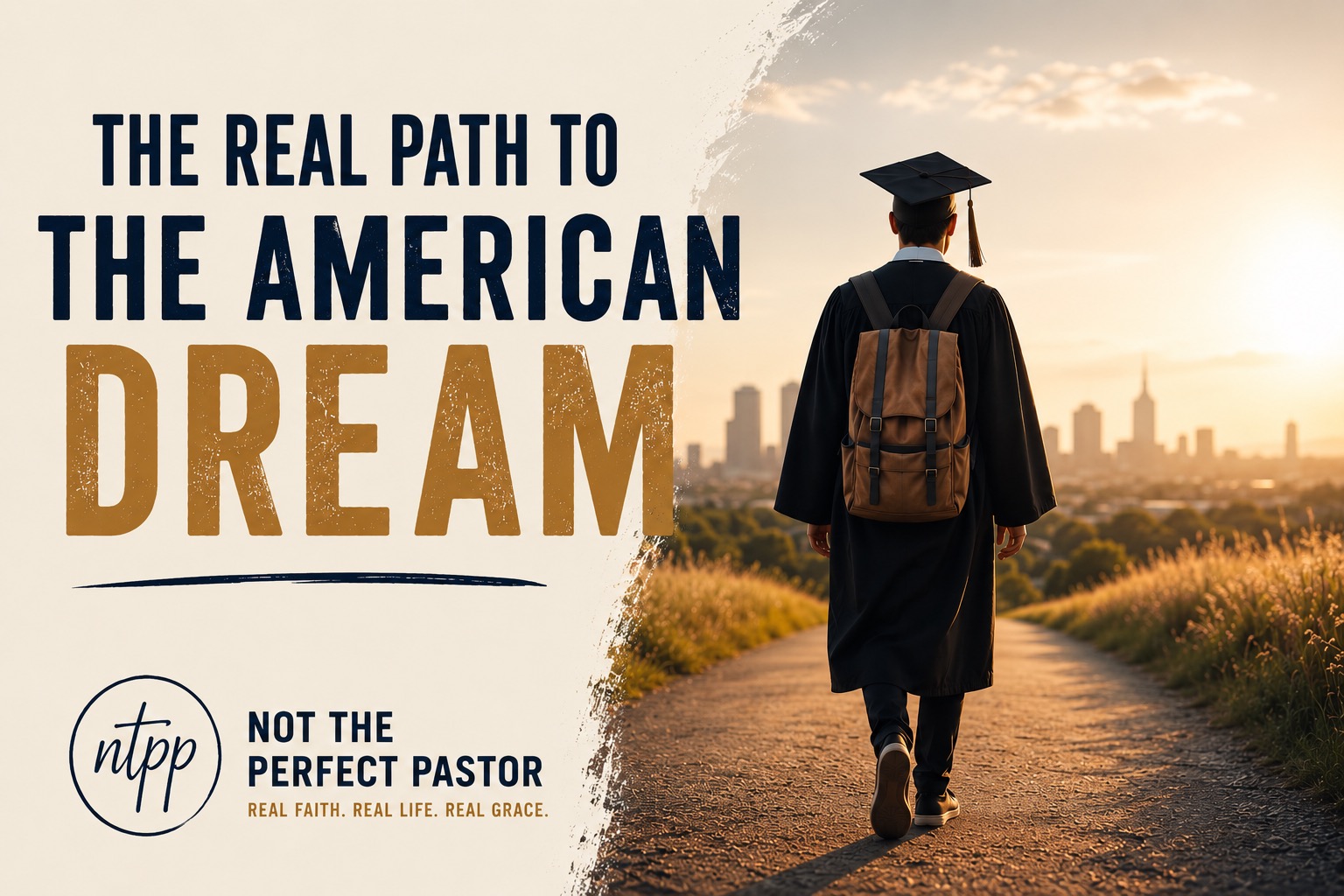
I thought that was solid advice for young people stepping into the world. But as I watch the world they’re entering today, I’d offer something different.
There’s a growing conversation in America about the death of the American Dream. People are frustrated—and honestly, some of that frustration is understandable. Housing is expensive. Groceries cost more. Young adults feel overwhelmed. Many are working harder yet falling farther behind.
But somewhere in the middle of all the arguments about economics, politics, and systems, I wonder if we’ve overlooked something simpler.
What if the American Dream isn’t dead? What if we’ve simply drifted away from the ordinary habits that once helped build it?
For years, researchers have pointed to what they call the “Success Sequence.” It’s not complicated:
- Finish high school.
- Get a job and keep it.
- Get married before having children.
That’s not a sermon—though it could be. That’s research. Study after study shows that people who follow these basic steps dramatically increase their chances of avoiding poverty and reaching the middle class.
Before anyone gets angry, let me say the obvious: Life is not a formula. Some people do everything “right” and still struggle. Some make terrible decisions and still prosper. Real injustices and disadvantages exist. But acknowledging exceptions doesn’t erase patterns. And the patterns are hard to ignore.
Education matters. Work matters. Stable families matter.
And I believe there’s a fourth piece we don’t talk about nearly enough: Church.
Not because going to church magically makes you wealthy. But because healthy churches help form healthy people. They teach the very things our culture increasingly struggles to instill: faithfulness, self-control, commitment, forgiveness, responsibility, delayed gratification, service, and community.
Church puts you around older couples who stayed married, men who show up for work, women of integrity, grandparents who sacrificed, and people who know how to suffer without quitting. It creates relationships, mentorship, accountability, and hope. In many ways, it reinforces the values the research already says matter most.
We’ve spent years telling people to “follow your heart,” “live your truth,” and “do what makes you happy.” But real flourishing has always required something deeper than self-expression. It requires discipline. Sacrifice. Commitment.
The truth is, most meaningful things in life are built slowly—a marriage, a career, character, faith, and yes, the American Dream. One ordinary decision at a time.
Graduate. Work hard. Commit. Show up. Worship. Serve. Stay faithful.
None of those things are flashy. None go viral. But they still work more often than not.
Maybe the American Dream feels out of reach not because opportunity has disappeared, but because we’ve stopped valuing the habits that once sustained it. The Church has a vital role to play in rebuilding not just successful people, but stable, formed, and faithful people.
So, graduates… build your life slowly. Do ordinary things faithfully. Show up. Keep your word. Work hard. Love people well. Stay connected to a healthy church. And don’t underestimate the power of a steady life built over time.
You’ll be better for it—and so will the world around you.
Until next time, keep looking up…
Discover more from Not the Perfect Pastor
Subscribe to get the latest posts sent to your email.

