Driving affords me the opportunity to listen. I do a lot of both! As I was driving last week, I was listening to a podcast. One of the points the podcast made was concerning a trend in the contemporary church. The point? Evangelism must move from the seats to the streets.
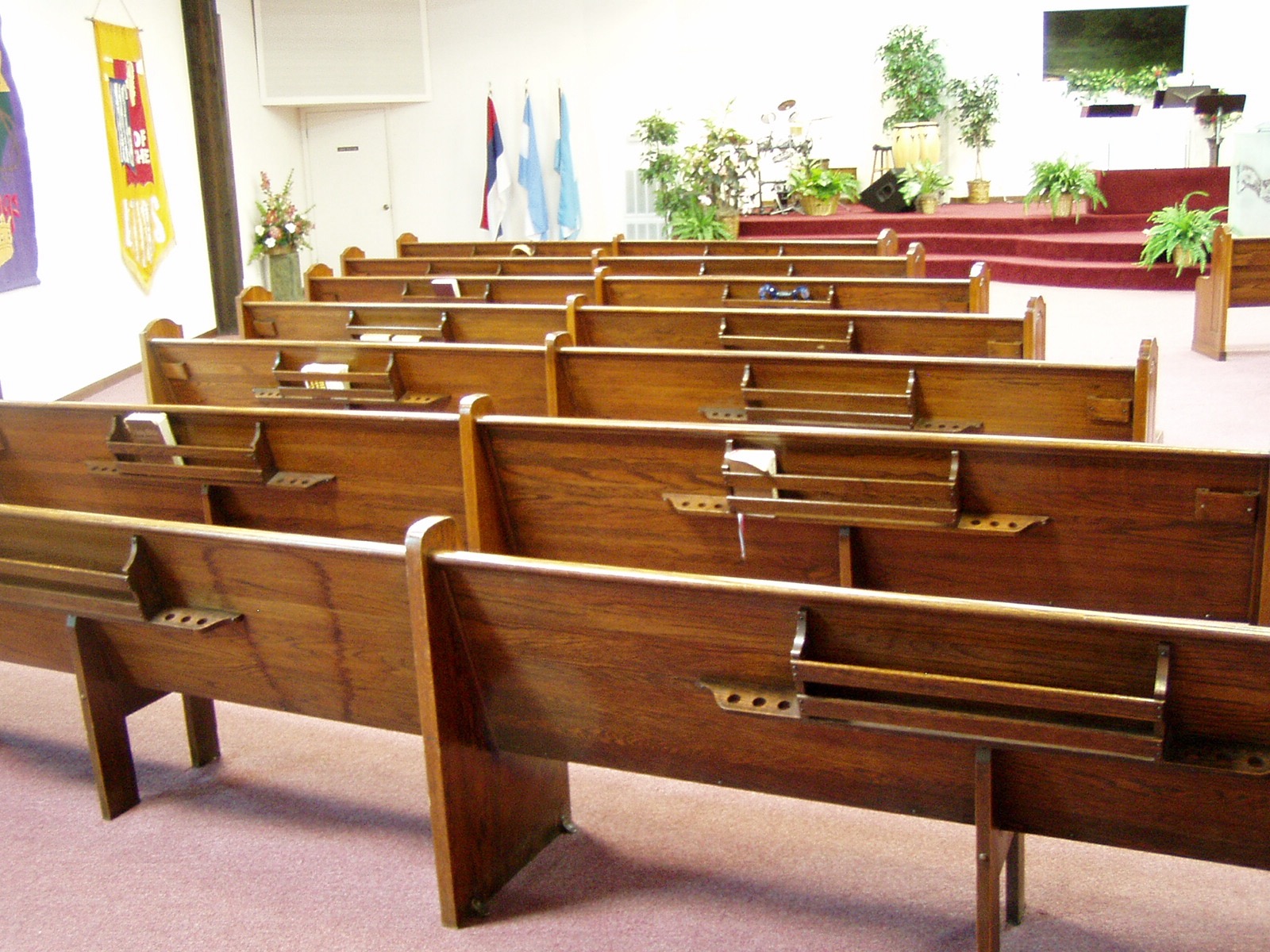
An Old Model
What do I mean? For generations now, the method of evangelism of the church has been to invite people to church (meaning a congregation), let them hear a presentation of the Gospel and lead them to a decision of faith. For generations of believers that method worked reasonably well. That method is not working anymore.
How do we know that method isn’t working? It’s not working because less people are attending church. That’s among Christians. As a matter of fact, the only demographic that is increasing is among men in Gen Z. Every other demographic in the U.S., is decreasing in terms of church attendance.
While it is great news that young men are coming to church more, it is still disturbing that others are not. Here’s your statement of the obvious: If even Christians are attending church less, then non-believers are attending less than that. Duh!
If non-believers are not hearing the message of the Gospel, how will they know Jesus? By taking the Gospel from the seats of the church to the streets of daily life.
That is as it should be. That is how the Gospel message spread in the beginning. I suppose that means the way forward is by going back…back to the beginning of Jesus’s ministry.
John the Baptist
I’ve been reflecting on John’s account of the beginning of Jesus’ public ministry this week (John 1:29-51). Now, that’s some rich Scripture right there! I tell ya’ what…that John the Baptist…he’s got it going on. No, seriously. He really does. He was the first person to take evangelism from the seats to the streets.
Think about it. John the Baptist came from a priestly line. His father, Zechariah, was a priest. That means John was in the priestly line and would have been trained to follow in his father’s footsteps. He was trained to be a Temple priest. As we see in the Gospel accounts, John’s temple was the wilderness and his altar was the Jordan River. Talk about from the seats to the streets!
If anyone knew the significance of a sacrificial lamb, it would be a temple priest. When John the Baptist pointed to Jesus and said, “Behold, the Lamb of God” (John 1:36), it announced the purpose of God in the life of Jesus, and the end of the Temple era and its on-going sacrifices. His was an announcement of the new and living way to life…a new and living encounter of God.
And, John pointed his disciples in the direction of Jesus. That is the role of evangelism…pointing others to Jesus.
As a pastor, I appreciate John’s selflessness, even if I struggle with what that selflessness means. I mean, as a pastor, I want to point others to Jesus, but I don’t want them to follow another preacher in doing so! Revealing my own insecurities here, aren’t I? Jesus’ appearance on the scene meant John was loosing followers. John knew, however, that he wasn’t called to make disciples for himself.
Perhaps that’s a lesson we pastors need to learn. We’re not making disciples for ourselves. We’re not making disciples of our preaching or teaching. The purpose of posting our sermons on YouTube or writing books (or blogs) is not to create a following or build a “platform,” but rather to point others to Jesus.
We would do well to remember our purpose. People come and go in our congregations (they seem to be going more these days). Unless we’ve done something intentionally to drive them away (shame on us if we have), we need to have the humility to not take it personally. We simply ask the question:”Was I faithful in pointing them to Jesus?” That is what matters most.
Here’s the truth pastors: If people are looking for a great preacher, they can find one better than you and me on YouTube (or the internet generally). They can find a more polished preacher. They can find a more charismatic preacher. They can find a better looking preacher, a more educated preacher, a more…well, you fill in the blank.
Pastors, let’s just use the gifts the Lord gives us to point other to Jesus. That’s the model.
Andrew and Philipp
See? Andrew pointed his brother Simon (Peter) to Jesus. There’s a sermon in Andrew’s attitude, too. We’d discover by reading the rest of John’s Gospel that he had a knack for pointing others to Jesus (and he didn’t do it by inviting them to the Temple). And, Philipp too! He pointed Nathaniel to Jesus.
That’s how evangelism works! For evangelism to work properly it must move from the seats of the church to the streets where we live.
I think we missed the lesson we should have learned from the Covid pandemic. Most churches pivoted to online and social media connection. They were forced to shift their focus from the seats to the streets. Once the pandemic passed, many of those same churches reverted to their old ways, hoping everyone would return to their seats. It didn’t happen, and based on current trends, it won’t in the future.
Don’t misunderstand me, though. Don’t stop inviting others to church. It is still true that 80% of the people who attend a church for the first time do so because someone invited them. Invitation still matters.
What will be more impactful in today’s world is for those committed disciples of Jesus Christ to engage others daily with the saving message of life in Jesus Christ in the places where they live and work. Point them to Jesus because of the relationship you have with them.
Evangelism is about relationship. Our relationship to Jesus and our relationship to others. John could point Andrew and John (who would become the Apostle) to Jesus because of their relationship. Andrew could point Peter to Jesus because of their relationship. Philipp could point Nathaniel to Jesus because of their relationship. See why it matters?
Here’s the thing: relationships happen in the streets, not in the seats.
Oh, well! I ramble on. Here’s your takeaway: Wherever you are today, point others to Jesus. That’s your task. The redemption of the world depends on it.
Until next time, keep looking up…

 Not the Perfect Pastor