From the Seats to the Streets…

Driving affords me the opportunity to listen. I do a lot of both! As I was driving last week, I was listening to a podcast. One of the points the podcast made was concerning a trend in the contemporary church. The point? Evangelism must move from the seats to the streets.
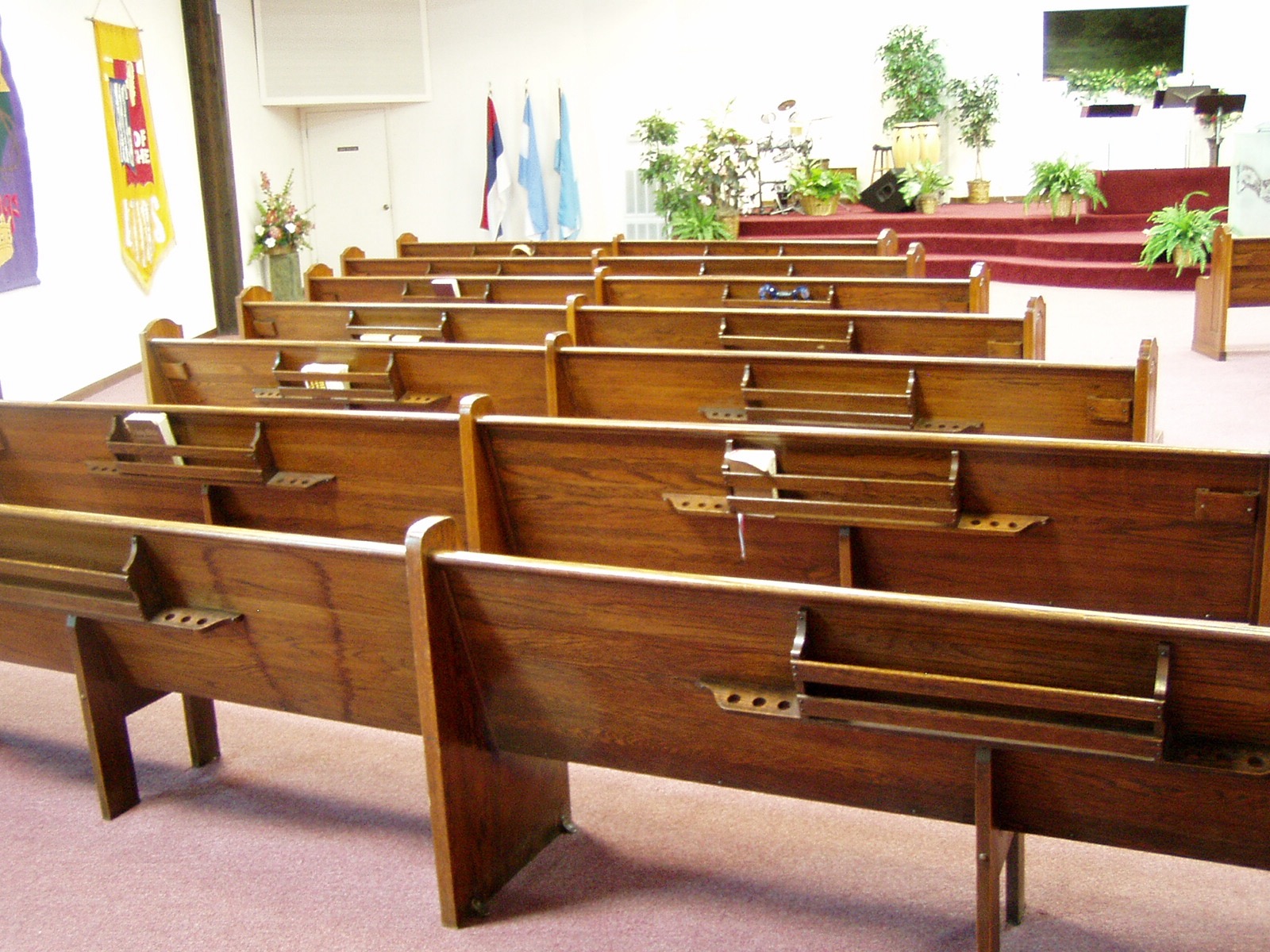
An Old Model

What do I mean? For generations now, the method of evangelism of the church has been to invite people to church (meaning a congregation), let them hear a presentation of the Gospel and lead them to a decision of faith. For generations of believers that method worked reasonably well. That method is not working anymore.

How do we know that method isn’t working? It’s not working because less people are attending church. That’s among Christians. As a matter of fact, the only demographic that is increasing is among men in Gen Z. Every other demographic in the U.S., is decreasing in terms of church attendance.

While it is great news that young men are coming to church more, it is still disturbing that others are not. Here’s your statement of the obvious: If even Christians are attending church less, then non-believers are attending less than that. Duh!

If non-believers are not hearing the message of the Gospel, how will they know Jesus? By taking the Gospel from the seats of the church to the streets of daily life.

That is as it should be. That is how the Gospel message spread in the beginning. I suppose that means the way forward is by going back…back to the beginning of Jesus’s ministry.

John the Baptist

I’ve been reflecting on John’s account of the beginning of Jesus’ public ministry this week (John 1:29-51). Now, that’s some rich Scripture right there! I tell ya’ what…that John the Baptist…he’s got it going on. No, seriously. He really does. He was the first person to take evangelism from the seats to the streets.

Think about it. John the Baptist came from a priestly line. His father, Zechariah, was a priest. That means John was in the priestly line and would have been trained to follow in his father’s footsteps. He was trained to be a Temple priest. As we see in the Gospel accounts, John’s temple was the wilderness and his altar was the Jordan River. Talk about from the seats to the streets!

If anyone knew the significance of a sacrificial lamb, it would be a temple priest. When John the Baptist pointed to Jesus and said, “Behold, the Lamb of God” (John 1:36), it announced the purpose of God in the life of Jesus, and the end of the Temple era and its on-going sacrifices. His was an announcement of the new and living way to life…a new and living encounter of God.

And, John pointed his disciples in the direction of Jesus. That is the role of evangelism…pointing others to Jesus.

As a pastor, I appreciate John’s selflessness, even if I struggle with what that selflessness means. I mean, as a pastor, I want to point others to Jesus, but I don’t want them to follow another preacher in doing so! Revealing my own insecurities here, aren’t I? Jesus’ appearance on the scene meant John was loosing followers. John knew, however, that he wasn’t called to make disciples for himself.

Perhaps that’s a lesson we pastors need to learn. We’re not making disciples for ourselves. We’re not making disciples of our preaching or teaching. The purpose of posting our sermons on YouTube or writing books (or blogs) is not to create a following or build a “platform,” but rather to point others to Jesus.

We would do well to remember our purpose. People come and go in our congregations (they seem to be going more these days). Unless we’ve done something intentionally to drive them away (shame on us if we have), we need to have the humility to not take it personally. We simply ask the question:”Was I faithful in pointing them to Jesus?” That is what matters most.

Here’s the truth pastors: If people are looking for a great preacher, they can find one better than you and me on YouTube (or the internet generally). They can find a more polished preacher. They can find a more charismatic preacher. They can find a better looking preacher, a more educated preacher, a more…well, you fill in the blank.

Pastors, let’s just use the gifts the Lord gives us to point other to Jesus. That’s the model.

Andrew and Philipp

See? Andrew pointed his brother Simon (Peter) to Jesus. There’s a sermon in Andrew’s attitude, too. We’d discover by reading the rest of John’s Gospel that he had a knack for pointing others to Jesus (and he didn’t do it by inviting them to the Temple). And, Philipp too! He pointed Nathaniel to Jesus.

That’s how evangelism works! For evangelism to work properly it must move from the seats of the church to the streets where we live.

I think we missed the lesson we should have learned from the Covid pandemic. Most churches pivoted to online and social media connection. They were forced to shift their focus from the seats to the streets. Once the pandemic passed, many of those same churches reverted to their old ways, hoping everyone would return to their seats. It didn’t happen, and based on current trends, it won’t in the future.

Don’t misunderstand me, though. Don’t stop inviting others to church. It is still true that 80% of the people who attend a church for the first time do so because someone invited them. Invitation still matters.

What will be more impactful in today’s world is for those committed disciples of Jesus Christ to engage others daily with the saving message of life in Jesus Christ in the places where they live and work. Point them to Jesus because of the relationship you have with them.

Evangelism is about relationship. Our relationship to Jesus and our relationship to others. John could point Andrew and John (who would become the Apostle) to Jesus because of their relationship. Andrew could point Peter to Jesus because of their relationship. Philipp could point Nathaniel to Jesus because of their relationship. See why it matters?

Here’s the thing: relationships happen in the streets, not in the seats.

Oh, well! I ramble on. Here’s your takeaway: Wherever you are today, point others to Jesus. That’s your task. The redemption of the world depends on it.

Until next time, keep looking up…
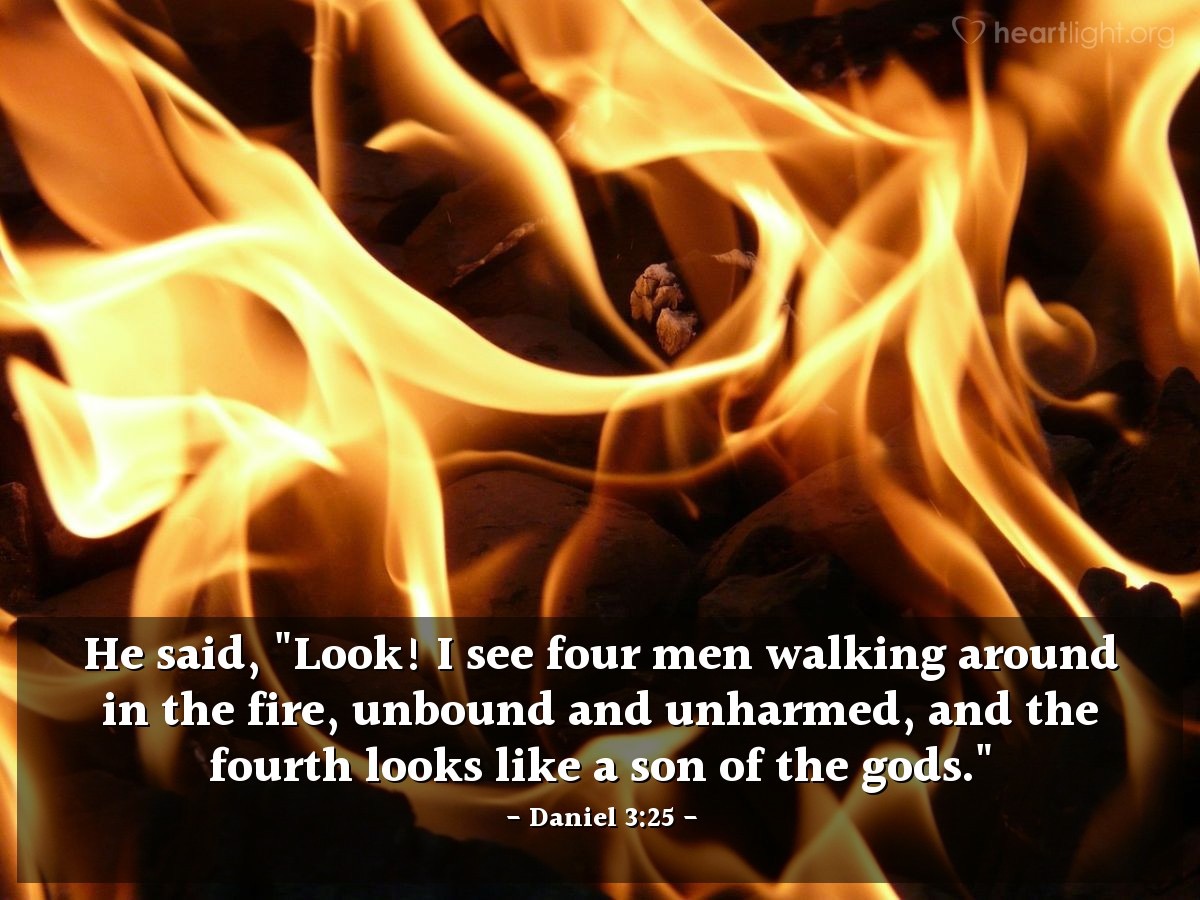
Bowing to Cultural Approval…

Six Subtle Ways We Bow to Cultural Norms

Okay, so I’ve been reflecting on Daniel 3 all week because I’m preaching on that passage today. In my prayer and reflection, I began to consider what are some of the subtle ways we believers in Jesus Christ can sometimes bow to sins that have become culturally acceptable. They’re not likely to show up in today’s message, so I thought I might share them here.

Shadrach, Meshach and Abednego

Shadrach, Meshach and Abednego (along with the prophet Daniel) were part of the Hebrew upper class that were carted off to Babylon during the Babylonian captivity. While there, they were schooled in the best Babylonian schools, and after three years were placed into King Nebuchadnezzar’s (King Neb, for short) court for service to the empire.

Hey? If you’ve been in Sunday school at all, you’ve heard the story before (read it here). King Neb builds a gaudy statue and commands the entire empire to bow down before it when they hear the music play. The music plays and everyone bows except these three Hebrews (I’m not sure where Daniel is during all this). The three get tattled on to the King who calls them to himself to give them one more chance to submit.

The three refuse in one of the most remarkable ways recorded in the Bible:

1Shadrach, Meshach, and Abed-Nego answered and said to the king, “O Nebuchadnezzar, we have no need to answer you in this matter. 17 If that is the case,our God whom we serve is able to deliver us from the burning fiery furnace, and He will deliver us from your hand, O king. 18 But if not, let it be known to you, O king, that we do not serve your gods, nor will we worship the gold image which you have set up.” (Daniel 3: 16 – 18 NKJV)

I love the “But if not…” statement of verse 18. What faith! “King Neb, even if God doesn’t deliver us, we’ll not bow down to your idol.”

The Idol in Question

Neb’s idol was a 90 foot tall gold statue. It was pretty obviously an idol. Everyone knew it was an idol and no one really cared. Babylon was filled with idols. What’s one more? Idols were culturally acceptable in those days. What’s the big deal?

That’s probably the question that was on King Neb’s mind as he confronted the three Hebrew young men. And, I have to wonder if Shadrach, Meshach and Abednego hadn’t considered it themselves. I mean, perhaps they had the philosophy that the Apostle Paul later expressed to the Corinthian Christians:

Therefore concerning the eating of things offered to idols, we know that an idol is nothing in the world, and that there is no other God but one. For even if there are so-called gods, whether in heaven or on earth (as there are many gods and many lords), yet for us there is one God, the Father, of whom are all things, and we for Him; and one Lord Jesus Christ, through whom are all things, and through whom we live. (1 Cor. 8: 4-6 NKJV)

Yup! They could have adopted that mentality, bowed down to the idol and everything would have been fine. After all, everyone else was doing it, and they weren’t actually bowing down to anything that was real, so just go along to get along.

Thank God, they didn’t bow down! They chose obedience to God over cultural influence. What an example for us!

Six Cultural “Idols”

Okay, so they’re not really idols in the strictest sense, but they are areas of cultural influence that often cause us to bow down in contrast to the clear teaching of Scripture. What are they?

1. Gossip

Gossip is one of the most common places where we bow to cultural pressure because we can disguise it as conversation, or even…wait for it…prayer concerns. There is a fine line between sharing concern and gossip.

Gossip is talking about others in a way that does not honor them or God. I’m reminded of Solomon’s wisdom in Proverbs 16: 28–“A troublemaker plants seeds of strife; gossip separates the best of friends.

When someone tries to bring gossip to us we must kindly and gently shut the door, refusing to bow to the pressure to sully someone else…even in the name of prayer concerns.

2. Complaining (Grumbling)

Okay. This is one of my biggest temptations, and one place where I’m tempted to bow. In my defense, there is A LOT to complain about in our world today, and there are so many people doing it (including me) that no one notices anymore.

The Bible is clear, though, that we should do everything without grumbling (Philippians 2:14). Truly, life is filled with so many blessings and complaining takes the focus off our blessings and causes us to miss all the good that God is doing around us.

Complaining causes anxiety and discouragement and damages us spiritually. We can’t bow down to this culturally acceptable practice and maintain a faithful Christian witness.

3. Little White Lies

Whether we call it stretching the truth or use it as a means of dodging conflict, it’s still a lie. Everyone does it, so that makes it okay? I don’t think so.

Ephesians 4: 25 reminds us, “So stop telling lies. Let us tell our neighbors the truth, for we are all parts of the same body.” Paul’s reminder is a good one for faithful living in a culture that so easily accepts a lie for the truth.

4. Comparison

I said before that comparison is one of the things I’m not going to do at my age. What’s the point? It only creates envy and we know that envy is one of the seven deadly sins.

Social media feeds our need to compare ourselves to others, and again, comparison can take our focus off the myriad ways that God blesses us each and every day.

Comparing ourselves to others is such a subtle practice that it slips up on us before we know it. Faithfulness demands that we refuse to bow down before it. We can do this by thanking God for the blessings He has given to others. We don’t need someone else’s blessing. God has His own blessing for us if we’ll just stop and take note.

5. Getting Offended

In today’s culture, everyone is offended by something. Offense, however, can quickly become spiritual poison to us. Offense breeds bitterness, and bitterness keeps us stuck in hurt and anger.

We overcome offense through the spiritual practice of forgiveness. Christ forgave us. Ought we not to forgive those who offend us? Forgiveness is at the foundation of our faith, and when we bow to the pressure to take offense, we belie our faith.

6. Normalizing Sexual Sin

This one is a biggie in today’s culture. Of course, it’s been a big one for a long, long time, but even more so today. Modern culture treats so much sexual sin as normal, even many Christians. Cohabitation, sex before marriage, pornography, lust and adultery are commonplace.

Sexual sin damages the soul, distorts intimacy and welcomes shame and confusion. In short, it destroys our faith and undercuts the witness we offer the world when the Church and believers accept it as normal.

Once again, the Apostle Paul reminds us, “Run from sexual sin! No other sin so clearly affects the body as this one does. For sexual immorality is a sin against your own body” (1 Corinthians 6:18).

The Power of a Faithful Witness

There are probably a lot more than six ways we bow to cultural influence, but it’s late and I have to go to church. That fact notwithstanding, we take a cue from the three Hebrew guys who refused to bow down to King Neb.

Our faithfulness will invite scorn from the culture and there will probably be consequences for that faithfulness. Here’s the thing, though–the Lord is with us in the fire of public scorn. In the end, we’ll come out the other side with our witness intact. We’ll be stronger and the Lord will be glorified. Isn’t that what we’re aiming for?

Let me hear from you if there are other areas we may be tempted to bow to the culture and its expectations. Leave your comments below.

Until next time, keep looking up…